Science of Numerology
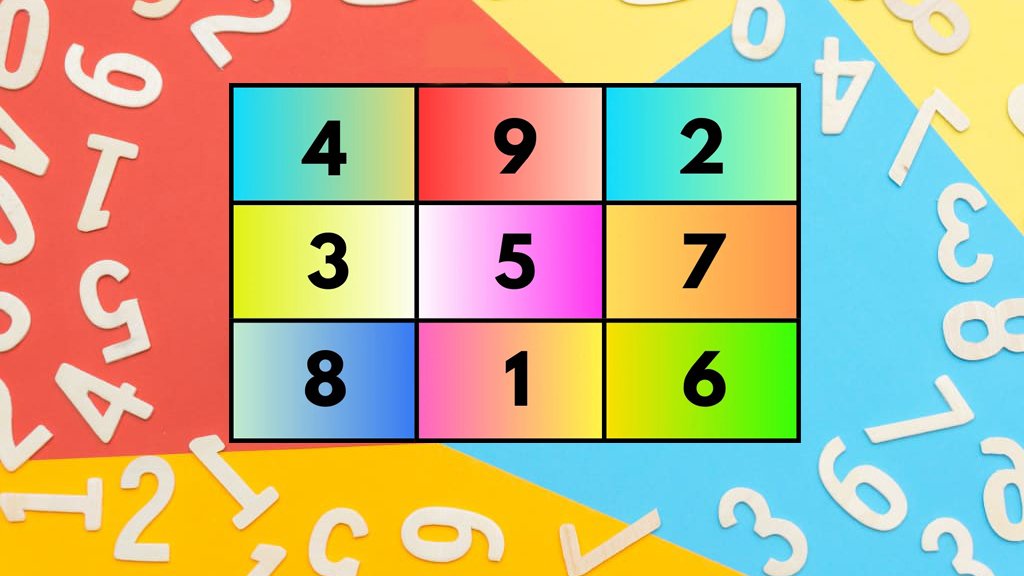
Over the last decade or so numerology has gained much popularity and has become one of the most widely used methods nowadays to gain insights into a person's life, personality, predict future events and much more. The basic principle of numerology is that everything in the universe which includes our lives can be summed up to a single digit number. The practice believes that each number encompasses in itself vibrations and energies that have potentially profound impact on an individual, his or her life and happenings in it. Different techniques and methodologies along with significance of numbers are puts to use in numerology to effectively make predictions and speculate.
What is Numerology?
Numerology is a predictive occult science that uses mystical relationship of the Universe with numbers to calculate insights and predict future events and more. Simplistically stating numerology is a methodology that uses numbers to speculate things and make future predictions. Different methodologies are put to use along with mathematical calculations to establish mystical relationship between numbers and the universe in numerology. The basic foundation of numerological reading is the theory that each and every number contains vibrations and frequencies which bestows them a certain characteristic. Thus, using the associated between a native and a particular number can provide vital information about an individual’s behavior, personality and even help in predicting their future along with guiding them to their actual purpose and destiny.
History of Numerology
Numerology is an ancient practice prevalent in ancient cultures such as Greek, Chinese and Indian. Before the 20th century numerology was known as arithmancy. Modern numerology is often credited to the renowned Greek philosopher, Pythagoras. He detailed various ideas and concepts with the help of mathematics. According to him, the world relied heavily on the mysterious qualities of numbers and the entire universe can be summarized by these numbers. However, this occult science is believed to date back to thousands of years.
Types of Numerology
There are different types of numerology which were and is practiced in different corners of the planet. Different experts prefer one or more of the said types to gain valuable insights and information about the native. Some of the most popular forms are:
Chaldean Numerology – With its roots in Babylon, the Chaldean Numerology is an ancient science in which different numerical values are assigned to different letters. The mystical method is used for name analysis, compatibility and to calculate positive/negative aspects.
Pythagorean Numerology – Similar to the above method in Pythagorean Numerology also different numerical values are assigned to different letters and a native’s name and date of birth are used to gain insights in his personality and life. The calculations used are different in this method when compared to the above one.
Indian Numerology – Also known as Vedic Numerology, the method also uses principles of Vedic Astrology to undertake complex calculations and make predictions.
Chinese Numerology – Also known as Feng Shui Numerology, the method uses numbers 1 – 9 and their association with different directions and elements of the nature to analyze personality of a native.
Kabbalistic Numerology – With its roots in Jewish mysticism (Kabbalah) the method uses mystical meanings of numbers, associated Hebrew alphabets and complex calculations to gain insights and spiritual understandings on various aspects of life.
Different Types of Numbers
Different types of numbers are calculated using different ways and methodologies like the Lo Shu Grid in numerology to gain different information and data.
Life Path Number
The purpose of your life can be found out with the help of this number. It is mainly determined by your date of birth. Being aware of your Life Path Number can let you know the benefits and drawbacks along with the areas where you need to improve.
Expression Number
This number is mainly decided by calculating the values of the alphabets which are there in your entire name. It is also your destiny number. It mainly shows the manner you express to the outside world and also your innate skills and abilities.
Soul Surge Number
This number is formed from the vowels of your name and usually shows your inner ambitions, motivates and the things that drives you. You will come to know about your real passions that mitigate your deepest ambitions, and the Soul Surge Number helps you in that.
Personality Number
Personality Number is mainly derived from the consonants in your name. It tells you that how other people see you and the impact you have on the world.
Personal Year Number
This number represents the general vibe and theme of a specific time period of your life. This may change every year. With the help of Personal year Number, you will be able to take full advantages of opportunities and challenges that you come across.
Benefits of Numerology
There are numerous benefits and various applications of numerology. The use of numbers in numerology has paved way for different types of interpretations, uses, theories and benefits. Some believe that with the help of numerology one shall be able to understand and observe the world around us better. With the help of knowledge about qualities, vibration, frequencies and energies of various numbers and their symbolic and spiritual meaning one can understand both the fundamental principles of the universe and himself better.
There are many practical benefits of numerology also in our day-to-day life like:
Decision Making – When making a choice or decision, evaluate its numerological effects and impacts. One may make better decisions that fit numerology by being aware of the energy and vibration associated with particular numbers. Numerology can thus help one make more informed business, career and other decisions. From choosing the right location for your office to establishing realistic financial targets, one may use numerological insights to guide your business strategy.
Select Auspicious Time and Date – Numerology can also help you make more informed business decisions. With unlocking of the power of numbers, one can zero in on auspicious dates for important occasions. Find the most favorable times to sign a contract, introduce new product, take a trip and make other important business decisions by using numerology.
Select a Compatible Life Partner – One can also use numerology to find compatible love partners that have compatible numbers. This increases the chances of a happy and successful relationship. By comparing one's core numbers with those of the partner or other loved ones; one might get insight into the strengths and weaknesses of your relationships. This may foster deeper ties and a greater understanding of one another.
Relief from Problems and Issues – Recognizing the energy and vibrations connected with your Personal Year Number allows one to better prepare for and navigate the obstacles and hurdles one faces in life.
Usage of Numerology
Numerology has numerous applications and benefits. It can be used as a useful tool for personal development and introspection. Some of useful tips and ways to apply numerology in your daily life are:
Know your Core Numbers – Begin by understanding and recognizing your basic numerological numbers. It shall provide a solid base to know different aspects about one’s personality and improve one’s overall life.
Setting goals according to your numbers – One may set goals in such a way that it is in accordance with your Life Path, Soul Urge and Expressions with the help of numerology. One shall be able to live a happier and more fulfilling life and also follow one’s passion and life purpose with the help of numerology.
Plan your Year using Personal Number Year – Every year has different numbers and thus unique energy and vibration associated with it. While planning one’s year or making decisions, don't forget the Personal Year Number. By doing this, one may make the most of it.
Relationship Choices – Numerology is believed to have great impact on relationships between two individuals. Knowing one’s own and partner’s numerical vibrations thus nature and inclinations might help in living a cordial and harmonious life.
Career and Business Choices – With the help of numerology one may analyze the Expression and Soul Urge numbers to learn about one’s unique abilities, talents, and passions. This understanding can then help in finding a rewarding career of business that reflects one’s true passion and purpose.
How Remedies in Numerology Works
In Numerology, when a person provides details regarding his birthday, he or she includes their date, month, and year of birth. The date of birth now reflects an individual's personality, attributes, emotional capacity, tastes, academic ability, health, and life expectancy. Their date of birth will not be used to cover any other aspects. Likewise, the individual's birth month demonstrates his profession and career, name and reputation, the direction of his profession, his father's profession or family company, family life, their spouse and in-laws, the direction from which their spouse would come from, and so on. In the end, the year of birth reveals information about a person's livelihood, the number of professions that the person will change throughout their life, their lifestyle, the cause of birth, age-related happiness and more. As a result, it is evident that an experienced numerologist requires merely numbers rather than a birth chart.
A person is usually urged to spell his or her name according to the characteristics of the number that best fits them. For which the birth details should correspond with the name spelling vibration. Since the details would never change. Celebrities like Ajay Devgn, Kareena Kapoor, Karisma Kapoor, Suniel Shetty, and many other famous personalities of Bollywood and business world have all benefited from numerology's use of numbers to achieved success in their profession and career.
Significance of Numerology
Numerology is an ancient science of numbers. It is particularly significant for human existence since numbers reflect characteristics and nature of anything and everything in the universe. Experts believe the numbers have profound role to play in the creation, sustenance and destruction cycles. Skeptics have their doubts, reservations and issues about numerology and label it as pseudo-science but its popularity and acceptance is growing day by day. Numerology is based on mystic and mysterious qualities of numbers, specifically those ranging from 0 to 9. This is quite similar to astrology, where there are nine planets. Numerology can also take the form of Horary numerology. As a result, numbers are used to forecast certain events and have a wide range of applications in the lives of people.
Concerns have also been expressed regarding the perils of depending too much on numerology, such as the potential for financial exploitation and the spread of incorrect beliefs or false hope. It's necessary to evaluate all sides of the story and maintain an open mind when thinking about this subject. While some people might find numerology to be a useful or meaningful activity, it's of the utmost importance to thoroughly consider the available data and exercise caution when making significant decisions based only on unverified or untested methodologies. There are many resources available for more reading and research if numerology is something you're interested in knowing more about. Books, publications, and websites that offer more details regarding the principles, applications, and critics of numerology are some recommendations for additional reading on the subject of numerology. Speaking with people who have dealt with numerology or getting guidance from a reliable authority or professional in the field may also be beneficial. One may love it, hate it, agree or disagree with different methodologies of Numerology but surely cannot ignore it.
Related posts

Enchanting Durga Puja of Kolkata
Durga
Puja is undoubtedly one of the most joyful and grandest times in the city of Kolkata.
Durga Puja is not just a festival, but an emotion in which the entire city of joy
gets immersed. The festival is much more than just a festival or a ritual of
welcoming Maa Durga, it is something that touches the hearts, souls and the vet
essence of every resident inhabiting the city. One of the most important and auspicious
festivals of Sanatan Dharma, Durga Puja is a Divine spectacle for which the
residents of Kolkata wait for the entire year. The festival is an intangible
part of Bengali culture, which encompasses ancient heritage. The festival is
like a gala event that breathes new life into the city and it transforms into
an artistic fairyland with magnificent pandals and dazzling idols of Maa Durga,
mostly accompanied by Maa Saraswati, Lord Ganesh, Lord Karthik, and Maa Laxmi. Mahishasura
Mardini, which is another name of Maa Durga is the ultimate symbol of triumph
of good over evil and Dharma over Adharma.
As per Legends
mentioned in ancient scriptures, Maa Durga slayed the shape-shifting mighty buffalo
demon Mahishasura after a long and fierce battle. Maa Durga vanquished Mahishasura on the day of
Vijay Dashami after a battle that lasted ten days. The legend of Maa Durga and
Mahishasur is narated in the Devi Mahatmya, which is a part of Markandeya
Purana. Durga Puja, apart from its religious,
spiritual and devotional significance, also has a deeper impact on the
geographic culture of Kolkata and West Bengal, its food, and mainly its
history.
History of Durga Puja
Durga
puja in Kolkata starts with the onset of Mahalaya, which signifies the end of Pitru
Paksha. With Mahalaya, the festival of Navratri also begins, which marks the
beginning of Durga Puja. During the eve of Navratri, the nine forms of Maa
Durga are being worshipped, and each one has its unique significance. Durga Puja
falls in the Hindu month of Ashwin (usually in September - October). It is believed
that Lord Rama worshipped and performed the puja of Maa Durga before he went
out to war against Ravana. Since this ritual was performed in the autumn and
was different from the traditional Durga Puja that happens during the spring
season (Basant), it is called akal-bodhan puja. The term akal-bodhan means akal
(out of season) and bodhan (worship).
The
Durga Puja in Kolkata and in West Bengal still resembles the Durga of Aihole
and Mahabalipuram which dates back to the 7th century. Maa Durga along with her
four children (Kartika, Ganesha, Saraswati and Lakshmi) are seen as the supreme
protector and the provider of health, wealth, prosperity and knowledge. It is
believed that Maa Durga with her children come to Her father’s house from
Kailash, which is the abode of Lord Shiva, Her husband. She stays here for nine
days of the Navratri festivities, and on the tenth day (Vijay Dashami), She
returns back to Her home. Thus, Durga Puja is almost like welcoming the
daughter to her home, and the puja is more like a family affair.
There
is an interesting story behind the question - who started the Durga Puja in
Kolkata? The Durga Puja origin in West Bengal can be credited to the twelve
friends of Guptipara of Hooghly district. They collaborated and raised
collections from the local residents to begin the first community Durga Puja,
which was called as ‘Baro-Yari Puja’ or the puja of the twelve friends. The
concept of Baro-Yari Puja was brought to the city of Kolkata by Raja Harinath of
Cossimbazar, who mainly performed puja earlier in his ancestral home at
Murshidabad district from 1824 to 1831. The concept of Baro-Yaari puja paved
the way for the Sarbojanin Durga Puja or community puja in 1910. It started
when Sanatan Dharmotsahini Sabha organized the first truly community puja in
Baghbazar, Kolkata. It had full people’s contribution, people’s participation,
and also people’s control.
Today,
Durga Puja has an immense influence on the culture and traditions of Kolkata
and West Bengal which can be noticed even in the daily lives of people. Durga
Puja is just not limited to the Bengali community but people from all sects of
the society come collectively to celebrate this Divine grand festival.
How is Durga Puja celebrated in Kolkata?
The
preparations for the grand festival are also colossal just like the magnitude
of its traditional values. The work of initiating and preparing for the
festivities starts months before the actual festival. A blueprint is prepared in
which each and every detail is taken care of, right from making of the idols,
setting up the pandals, decking up the decorations, and deciding the themes for
each Puja pandal. The heritage and art of Durga Puja have attracted the entire
world towards itself, which was finally recognized by UNESCO as a tangible
world heritage in 2021.
There
are hundreds of clubs and organizations in the city that conduct the Durga
puja. Many of them are renowned and attract a heavy amount of crowds every year
due to their unique themes, designs and cultural programs. The idols of Maa
Durga are made in the narrow lanes of Kumartuli, also known as the potter’s
colony. This area is famous for making idols for every puja and other festivals.
Durga Idols are made from eco-friendly materials, primarily straw, hay, dry
grass and clay. It takes months to give shape to Maa Durga and other idols of
Laxmi, Ganesh, Saraswati, and Karthik before sending them off to their
respective pandals. There are some famous sculptors whose idols are not only in
demand in Kolkata or West Bengal but also in other parts of India and abroad as
well.
The
idols are of various designs, shapes and sizes. They are easily the most
important part of the festival and months of hard work goes into giving them
shape. Some idols are customized and are prepared in accordance with the theme
of the particular pandals. On the other end, the construction of the pandals
also begins almost a month or two prior to the festival. These pandals are
being made based on the different theme designs which are picked by the
organizing committees. Durga pandals in Kolkata are considered as masterpieces
of artwork and imagination. The themes of the pandals are generally a
resemblance of some famous place, some unique design of the creator or on the
basis of some social and devotional message. Many of these pandals are huge in
size and are stunningly beautiful. They are like an art gallery whose beauty
cannot be described just by using words.
The
pandals are constructed with the teamwork of carpenters, decorators, artists,
painters, and even set designers who give shape to these artistic structures.
They are the home of Maa Durga for the next nine days of the festival and the
place for devotees to visit and worship Maa Shakti. The streets of Kolkata also
get an equal share of decoration and are decked with advertising banners and
colorful designer lights which change their appearance completely. The nights
of Durga Puja look especially stunning as the combination of the decorative
lights, pandals, and illumination across the city makes it look like a
wonderland. The city is enveloped in a Divine aura and on the morning of
Mahalaya, with the chants of Mahishasura Mardini on the radio by Birendra
Krishna Bhadra, the festival kicks off, starting nine days of extravaganza and
devotion.
Nine days of Durga Puja and its significance
The Durga Puja
starts with Navratri and it is celebrated throughout the nine/ten days,
worshipping nine different forms of Maa Durga. The last five/six days of the
festival namely Panchami, Shashthi, Saptami, Ashtami, Nabami and Dashami are most significance. Durga Puja
is celebrated both in homes and in Puja pandals. During the Puja devotees
perform Puja and worship on a daily basis with devotion to the Devi. The Puja
period is considered as the best time of the year to worship and revere Goddess
Shakti (Durga) and seek Her blessings for good health, wealth, protection and
prosperity. The time is also ideal to immerse oneself in Shakti Sadhana which
is mostly done by Shakti Sadhaks.
What is special about Durga Puja Celebrations in Bengal/Kolkata
The
Durga Puja brings in a new life to the city and the state, awakening it to an auspicious,
jovial and high-energy state. People of the city wait for the entire year just
for the five days of Durga Puja. From Panchami to Maha Dashami, the dynamics of
the city change completely.
On
one side, the clubs and organizers gear up to celebrate the festivals, on the
other side the devotees of Maa Durga get ready for the magnificent five days of
devotion and festivities. Durga puja has a significant impact on the economy
and trade of the state. It is one of the biggest contributors to boosting of the
GDP during that Puja season. Before the festival starts, the shopping spree of
people gets on full throttle. People flock to stores, malls and every single
shop to buy new clothes and other things for the Durga Puja. This trade is
believed to go in millions during the festive season. Shops and streets are
jampacked with shoppers and it becomes a difficult thing to make your way
through the shopping areas at that time of the year. The foodies also have a
blast, both before and during the Durga puja festival in Kolkata. There are
many food outlets and famous restaurants which become a haven for food lovers.
They offer delicious Bengalis and many other cuisines for the shoppers and
later on pandal hoppers during the festive times.
The
duration of Durga Puja is the most joyous holiday period for the people of
Kolkata and West Bengal. People come out and do pandal hopping right from the
day the pandals are inaugurated and are opened up for the public. Lakhs of revelers,
children, adults, teenagers, senior citizens, everyone is super excited and
full of enthusiasm to celebrate the Durga Puja festival. The unique themed Pujas
are advertised even before the festival begins to attract huge footfall. Young
revelers join in groups and enjoy the puja festival with a full night out plans,
hopping from one pandal to another. The sound of the dhaks echoes across the
sky during the aarti period. The Maha Ashtami Pushpanjali is considered one of
the most sacred offerings to Maa Durga. Boys and girls get into their
traditional attire and offer Pushpanjali to Maa Durga.
Theme
pandals are the biggest attraction for everybody. Earlier, the puja was
performed in the traditional way and designer themes were not used much.
However, over the years, the trend has changed a lot and the theme has taken a
dominant position in executing the puja pandal designs. There are hundreds of
Durga Puja pandals in Kolkata and countless outside the city. However, some
remain a must-visit Durga Puja pandal during the festive time.
Shreebhumi
Club, based in the Lake Town area of Kolkata always remains a prominent
attraction for puja pandal hoppers of Kolkata.
Other
famous and unmissable Puja pandals in the city that are spread from North to South
are:
·
Hathibagan Sarbajonin
·
Nalin Sarkar Street Durgotsav
·
Dum Dum Park Tarun dal
·
Ahiritola Sarbojonin Durgotsav
·
Kashi Bose Lane
·
Tala Prattoy
·
Suruchi Sangha
·
Santosh Mitra Square
·
Bagbazar
·
Ballygunge Cultural Association Puja Pandal
·
College Square
·
Hindustan Park
·
Hindustan Club
·
Tridhara Akalbodan
·
Deshapriya park
·
66 Pally
·
Mudiali
·
Chetla Agrani
·
Ajaysangathi Club
·
Behala Friends Club
·
75 Pally
Durga
puja ends with Maha Dashami or Vijaya Dashami. It is the day when Maa Durga
leaves her devotees and makes her journey back to Her heavenly abode of
Kailash. It is the day when Bengalis all around the world are struck with a
mixed feeling of happiness and grief. The ten days of Durga Puja was an
emotional roller-coaster for them which had an adrenaline rush. On the last day
of Durga Puja, when it is time to bid farewell to Maa Durga, women after
completion of puja engage in the traditional ritual of Sindur Khela. In this, married women apply each other
vermillion and pray for the long lives of their husbands. This ritual is mainly
performed after the ceremony of Boron where women do the custom of bidding
Audie to Maa Durga and others, in the same way when a married woman leaves for
her in-law's place.
It
becomes an emotional moment for everyone as the daughter of the house will
leave the father’s place and go back to her husband. The idols are then laden
on trucks and trolleys for their final journey toward the immersion spot where
they shall make their way back to their home. The city and the skies are filled
with chants of ‘Bolo Bolo Durga Mai Ki Jai’ which means Hail Maa Durga. ‘Ashe
Bochor abar Hobe’ which signifies that next year the festivity will take place
again. Many are in tears as the idols of Maa Durga move towards the banks of
river Ganga, and with a splash it immerses into the depths of the river, saying
goodbye to everyone. Durga Puja is such
an emotion that cannot be explained in words but can be felt and experienced.
It is a bond that a mother has with her child, and there is no other more
beautiful experience than this.
As Maa Durga departs for Her home, devotees with
folded hands and closed eyes pray to Her with tears, wishing for peace and
happiness in their lives. They yearn to see Maa Durga soon next year and the
wait begins, with the chants of ‘Asche Bochor Abar Hobe...Jai Maa Durga’.
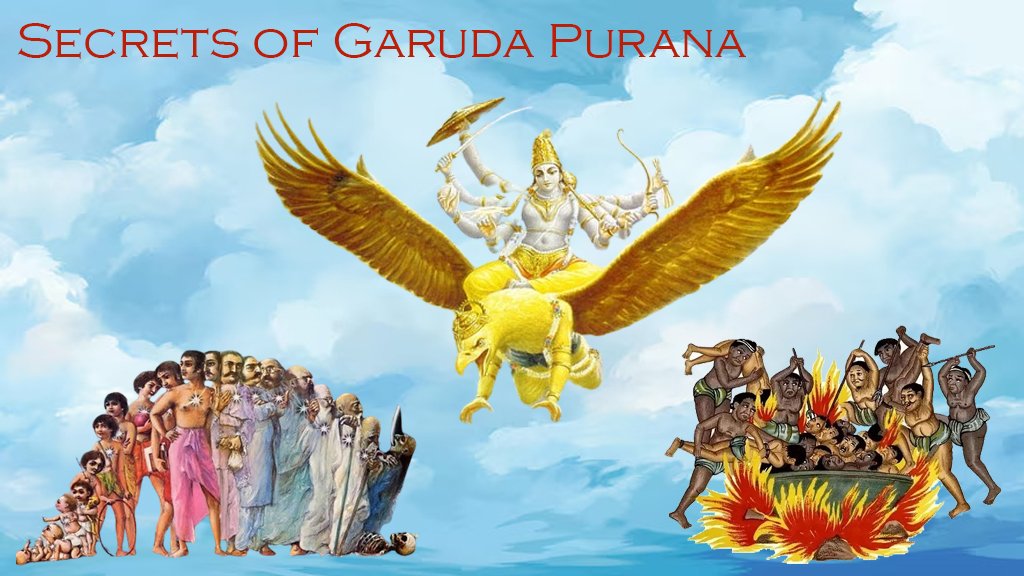
Secrets of Garuda Purana
The Garuda Purana is one of several Ashtaadasa Maha-Puranas. It is known as the Garuda Purana because it is in the form of a discourse between Garuda, the Divine King of the Birds, and Lord Vishnu. Garuda later quoted the same to Sage Kashyapa, and it passed down the line. It has approximately 19000 slokas and is classed as Saattvika Purana. It is impossible to date the Garuda Purana because it has undergone multiple changes, the most recent of which occurred during Sri Krishnaavathara, when Sage Vedavyaasa edited all Puranas.
The Garuda Purana describes Lord Vishnu's incarnations, the geographical description and genesis of the Universe, Creation, Procreation, Gods' Genealogy, and so on, but most importantly, it describes the journey of the soul after death. The epic takes the shape of an amazing conversation between Garuda and Lord Vishnu about the significance of human life. The Garuda Purana also discusses Garuda's origin and dissemination. It describes many forms of austerity, worship practices, sin atonement, and divine and sacred Manthras.
The Garuda Purana is unique in that it is the only sacred literature that discusses life after death, the soul's journey, death and its aftermath, rebirth, and reincarnation. Even modern science has been unable to unravel the riddle of death and the afterlife; yet, the Garuda Purana has done so for centuries. Among the 16 Samskaaras specified in Hindu Dharma, the last one, Anthyeshti Samskara, is concerned with death rites and associated ceremonies. This samskara is uniquely and comprehensively covered in the Garuda Purana.
The Garuda Purana also includes descriptions of the Nether Worlds, Yama-Loka, and numerous types of Naraka Lokas (Hell). It describes the Soul's experiences after leaving the body, as well as the endless cycle of births that the Soul goes through. It discusses the Law of Karma, the Fruits of Karma (action), Moksha (salvation), and numerous forms of punishments for crimes committed during a lifetime. It provides an in-depth description of funeral rites, rituals, and ceremonies beginning with death and ending with the completion of one year.
The recitation of the Garuda Purana is traditionally observed in traditional Hindu households following a death in the family until the 13th-day ceremony is finished. During that period, reading or listening to Sri Garuda Purana confers great benefits (punya). Within ten days, or even after a person has passed away, those who recount and those who listen to this holy Purana will be freed from sins and guaranteed fulfillment both here on Earth and in the hereafter.
When someone passes away in the family, one should listen to the Garuda Purana. This will help them achieve Mukthi and ensure blessings for coming generations. One will be blessed with serenity and wealth and be freed from sadness and suffering. It is thought that a Brahmin who listens to the Garuda Purana will receive Vidya, a Kshatriya land, and a Vysya wealth. During Pitra Paksha, reading or listening to the Garuda Purana is a meritorious and sacred practice that pleases the person who died. The Garuda Purana contains nineteen thousand shlokas separated into two parts: the purva khanda (first part) and the uttara khanda.
Mentioned below are different punishments mentioned in the Garuda Purana for souls of the people who have sinned.
Tamisram (heavy flogging)
Yama's Servants tie those who steal others' wealth with ropes and cast them into the Naraka known as Tamisram. There, they are thrashed until they bleed and collapse. When they regain consciousness, the beating is resumed. This is done till the time they were given is up.
Andhatamtrsam (flogging)
This Hell is destined for the husband or wife who don’t treat their partners well and only do so when it benefits or pleases them. Those who leave their wives and husbands for unknown reasons are also brought here. The punishment is nearly identical to Tamisram, but the agonizing pain of being tied fast causes the victims to collapse.
Rauravam (snake torture)
For sinners who take and use another man's resources or property, this is hell where he is brought. Those whom these people have deceived take on the form of ‘Ruru’, a terrifying serpent, as they are cast into this torment. They will endure excruciating torture from the serpents till their time is up.
Mahararuravam (death by snake)
Ruru serpents are present here as well, but they are more vicious. The horrible serpents coiling around those who refuse to give the rightful heirs their inheritance and who own and enjoy other people's property will never stop biting and squeezing them. They will also be sent here if they steal the wife or lover of another man.
Kumbhipakam (cooked by oil)
This is hell for individuals who enjoy killing animals. Here, oil is boiled in massive containers, and sinners are immersed in them.
Kalasutram (hot as hell)
This hell is incredibly hot. Those who do not respect their elders, even when they have performed their duty, are sent here. They are ordered to run around in this excruciating heat and occasionally collapse exhausted.
Asitapatram (sharp flogging)
This is the place where sinners go from their own responsibility. Yama's Servants beat them with whips fashioned of asipatra, which are leaves with sharp edges that resemble swords. They will stumble over the thorns and stones and fall on their faces if they rush around while being whipped. When they come to, the same procedure is carried out again until their time in this Naraka is up. After that, they are stabbed with knives until they pass out.
Sukaramukham (crushed and tormented)
Rulers who fail to address their responsibilities and abuse their subjects through misrule are punished in this hell. They are smashed to a pulp by a thorough beating. When they recover, the process continues until their time limit has been met.
Andhakupam (attack of the animals)
For those who abuse the good people and refuse to assist them when asked, even when they have the means, this is hell. They'll be forced down a well that is home to lions, tigers, eagles, and poisonous snakes and scorpions. Till the time of their punishment, sinners must put up with these monster's relentless attacks.
Taptamurti (burnt alive)
Those who steal or loot gold and gems are thrown into the Naraka's furnaces, which are continuously flaming hot.
Krimibhojanam (food for worms)
This Naraka is thrown onto those who do not honor their guests and who utilize men and women just for their own benefit. Insects, worms, and snakes consume them alive. The sinners are given new bodies, which are likewise consumed in the same way, once their original bodies have been entirely consumed. This keeps happening till the term is over.
Salmali (embracing hot images)
This Naraka is meant for adulterous men and women. There is an iron figure, red-hot from the heat. When the sufferer is being flayed behind by Yama's servants, the offender is compelled to accept it.
Vajrakantakasali - (embracing sharp images)
For sinners who engage in inappropriate animal sex, this Naraka is their retribution. Their bodies are pierced by sharp diamond needles found in the iron pictures they are made to embrace.
Vaitarani (river of filth)
Adulterers and power-hungry rulers are thrown out here. It is the worst possible place of punishment. It is a river full of filthy materials, including hair, nails, meat, bones, and human excrement. Horrible creatures of many kinds also exist. These creatures assault and maul those who are tossed into it from all directions. During the duration of their penalty, the transgressors must consume the contents of this river.
Puyodakam (Well of hell)
This well is full of phlegm, urine, blood, and waste. Men are considered as animals when they engage in sexual relations with women and then betray them without planning to marry them. People, who behave carelessly, like animals, are dumped into this well and allowed to become contaminated by its contents. They must stay here till the end of the time scheduled for them.
Pranarodham (piece by piece)
This Naraka is dedicated to persons who hunt and kill animals for food. Here, Yama's attendants assemble around the criminals, mutilating them and continuously insulting them.
Visasanam (bashing from clubs)
This Naraka is meant to torment the wealthy individuals who hate those in poverty and engage in extravagant expenditures merely to show off their riches and grandeur. They must stay here for the duration of their punishment, where they will endure constant beatings with powerful clubs from Yama's servants.
Lalabhaksam - (river of semen)
This is a lustful man's Naraka. This hell is reserved for the immoral man who compels his wife to swallow his sperm. A sea of semen is Lalabhaksam. Until his day of punishment, the offender lays in it and feeds only on semen.
Sarameyasanam (torment from dogs)
This hell is reserved for those who commit immoral crimes including food poisoning, mass murder, and national destruction. All that is available for eating is dog flesh. In this Naraka, there are thousands of hounds, and when they attack sinners, their teeth tear the flesh from their bodies.
Avici (turned into dust)
This Naraka is for individuals who have sworn falsely and proved unjustly. They are thrown from a considerable height, and when they hit the earth, they are completely crushed into dust. They are given life once more, and the punishment is carried out till the end of their days.
Ayahpanam (drinking of burning substances)
People who drink alcohol and other toxic beverages are sent here. The men will be made to drink hot, liquid molten lava each time they take an alcoholic beverage during their earthly existence, while the women are forced to drink melted iron in liquid form.
Raksobjaksam (revenge attacks)
This hell awaits those who offer human and animal sacrifices and then consume the flesh. There would be all the creatures they had previously slain, and they would band together to attack, bite, and maul the criminals. Their groans and protests would be in vain in this place.
Sulaprotam (trident torture)
This Sulaportam hell is meant for individuals who murder others who have done them no harm and for those who betray others. Here, they are made to endure being impaled on a trident for the duration of their sentence, which includes extreme hunger and thirst in addition to all the other tortures administered to them.
Ksharakardamam (hanged upside down)
This hell is reserved for arrogant people and those who criticize decent people. The sinners are repeatedly tortured by Yama's servants, who also keep them upside down.
Dandasukam (eaten alive)
Here is where sinners who treat other people like animals will end up. This place is full of monsters. These monsters will eat them alive.
Vatarodham (weapon torture)
Those who harm animals that reside in forests, mountaintops, and trees deserve this punishment. Sinners are tormented with fire, poison, and other weapons during their period in this Naraka after being cast into this hell.
Paryavartanakam (torture from birds)
This place is meant for those who abuse and refuse food to the poor. When a sinner comes here, beaks from birds like eagles and crows puncture his eyes. These birds will continue to pierce them until their sentence is completed.
Sucimukham (torture by needles)
Those who are conceited and stingy, refusing to spend money on even the most basic needs (such as better meals or food for friends or family), will end up in this hell. This torture will also be imposed upon those who fail to return the money they have borrowed. Here, needles will be poking and piercing their bodies nonstop.
Category